
Noventra - Floral Arrangement Programme
Floral Arrangement Foundations: A Hands-On Beginner Course
Hands-on instruction covering composition, colour theory, and seasonal materials.
Structured for both group cohorts and individual paced sessions.
Guided by practitioners with real studio and event experience.
About this programme
Most people who want to arrange flowers get stuck at the same point: they have blooms, a vase, and no idea where to start. This course fixes that by giving you a clear, practical framework from day one.
What the course covers
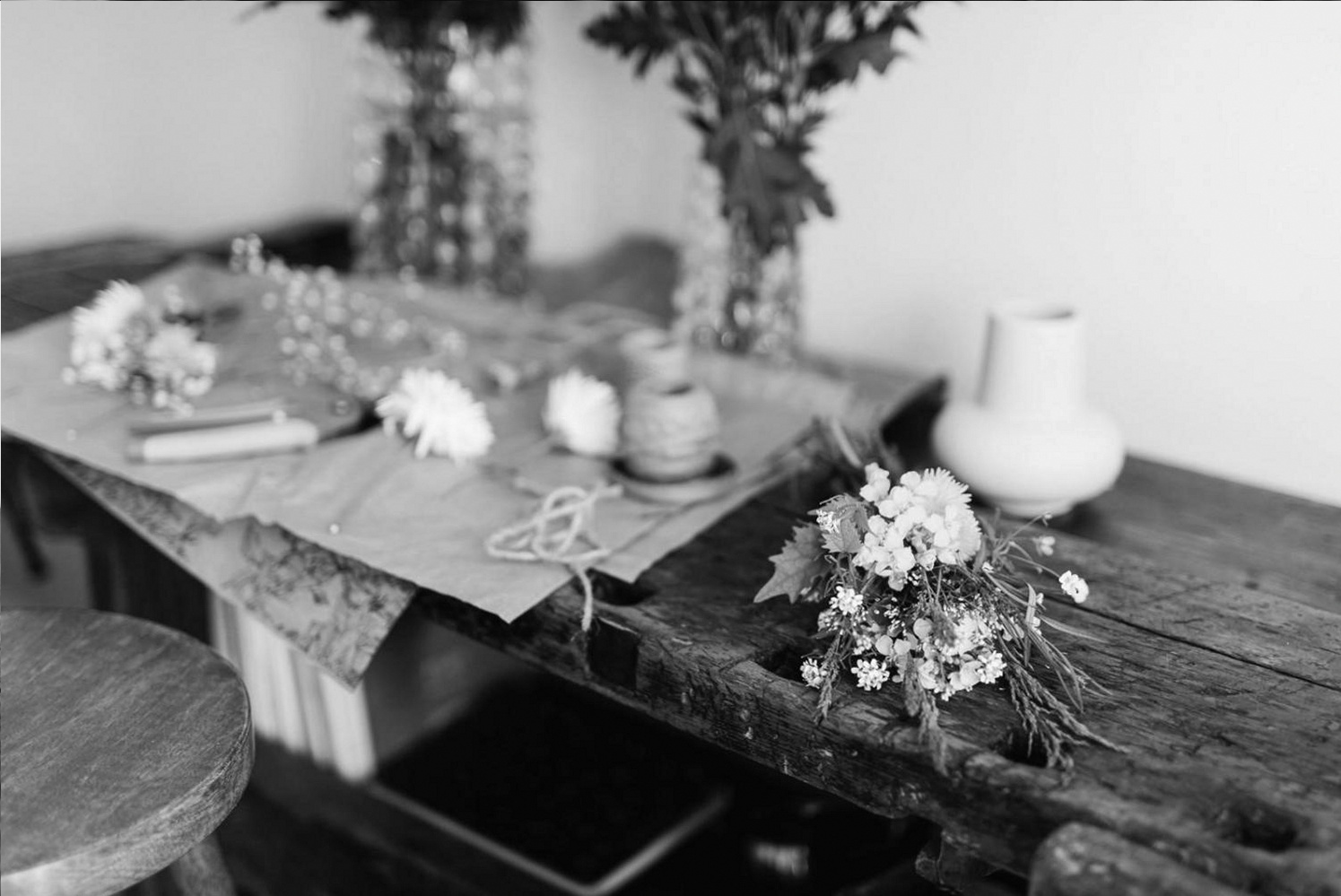
You will learn how to condition flowers so they last longer, how to read a stem for its natural curve, and how to use that curve intentionally. We go through the mechanics of a hand-tied bouquet, a low centerpiece, and a vase arrangement using grid tape.
Colour theory gets a full session because understanding warm and cool tones changes how you shop at the market. You will also learn which foliage types add structure versus softness, and when to use each.
Who this is for
Anyone starting from scratch who wants to move past guesswork. The techniques here are the same ones used in professional studios, just taught without the pressure of a commercial deadline.
Each lesson includes a supply list with budget-friendly alternatives so you are not locked into expensive materials to practise. By the end of the course you will have completed six arrangements and have a clear sense of your own aesthetic preferences.
All sessions are pre-recorded and available on demand.Programme outline
Course Outline
- Week 1: Flower conditioning, stem cutting angles, and water chemistry basics
- Week 2: Hand-tied bouquet structure and binding techniques
- Week 3: Colour relationships and seasonal palette selection
- Week 4: Foliage as a design element, not just filler
- Week 5: Low centerpiece using floral foam and grid tape alternatives
- Week 6: Vase arrangements and final personal project
After week three I finally understood why my arrangements always looked flat. The colour session was the turning point for me.
Brigitte Faure, course graduate